Make Money with Fruit Videos
The 2026 Monetization Guide
Yes, you really can make money with fruit videos - and not from one lucky viral hit, but from five separate income streams stacked on the same content. This guide maps every one of them, shows you the production cost math, and gives you the fastest route to your first payout.
Watch: How to Make an AI Fruit Story Video
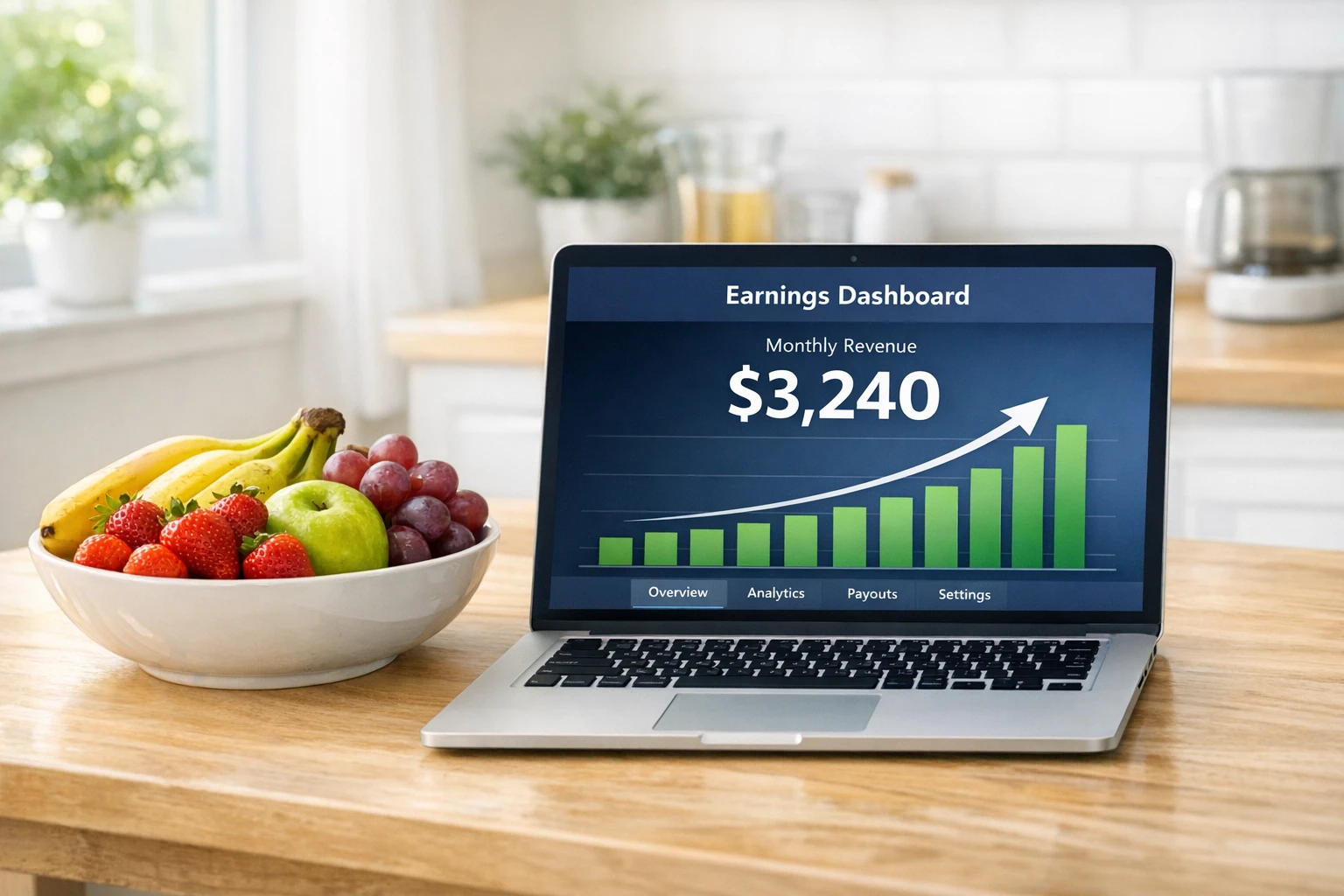
Fruit story creators track income from multiple streams on the same content
Can You Really Make Money with Fruit Videos?
Honest answer: yes, but not the way most people think. The money isn't in one video getting lucky. It's in the format itself. Story-driven fruit videos have the two things every monetization system pays for: watch time and repeat viewers.
A 6-scene story arc with a setup, a turn, and a gut-punch ending holds viewers to the last second - that's watch time. And when your audience recognizes the same fruit characters episode after episode, they come back for the next one - that's a returning audience. Platforms pay a premium for both. Sponsors pay even more, because a viewer who returns weekly is worth far more to a brand than a one-time scroller.
This is why series beat one-offs. A random funny clip earns once. A series with a recurring cast builds an asset that earns every week. If you're starting from zero, read our guide on how to start a fruit story channel first - this page covers what happens once the videos are flowing.
Why story-driven fruit content monetizes better than clips:
The 5 Income Streams for Fruit Video Creators
Stack them - most successful channels run at least three at once
Platform Payouts
The baseline. The YouTube Partner Program pays ad revenue on both Shorts and long-form uploads, and TikTok Creator Rewards pays for qualified views on longer videos. Story content wins here because payouts reward watch time, and a 6-scene arc keeps people watching to the end.
Brand Sponsorships
Food, health, and snack brands love wholesome fruit content - it's the definition of brand-safe. A sponsored episode where your recurring characters naturally feature a product feels like part of the show, not an ad break. Channels with returning audiences can charge more, because the brand knows the same viewers will be back next episode.
Affiliate Links
Kitchen gear, meal kits, and healthy snacks convert naturally under fruit content. Drop affiliate links in your captions and pinned comments, and every episode becomes a small storefront. No follower minimum, no negotiation - this is usually the first stream to pay out for new channels.
Series Licensing
Media pages and aggregator accounts constantly need binge-worthy content to repost - and they pay to license it. A complete fruit story series with consistent characters is exactly what they want, because a series keeps their audience on their page longer than any single clip could.
Selling Content Packs
Once you can produce episodes reliably, you can produce them for other people. Plenty of channel owners want fruit story content but don't want to make it. Sell finished episodes as a service - the same skills that grow your channel become a production business on the side.
The same five-stream logic applies to any character-led format - see our guide on how to make money with character videos for the broader playbook.
The Math That Makes It Work
Every monetization plan lives or dies on one number: what it costs you to produce a video. With Fruit AI Stories, cinematic story scenes start at 240 credits (~$1.20 per scene). That means a full 6-scene episode - setup, turn, gut-punch ending, lip-synced dialogue and all - costs less than lunch.
Now compare that to the traditional route. Commissioned animation runs $500-$2,000+ per minute. At those prices, a single episode has to perform or you've lost real money. At the price of a sandwich, an episode that flops costs you almost nothing - and an episode that lands can earn from ad revenue, affiliate clicks, a sponsor, and a licensing deal all at once. When one video can earn from multiple streams while costing pocket change to make, the risk-reward is heavily in your favor.
What does that translate to in income? Be realistic: creators in faceless niches report anywhere from a few hundred to several thousand dollars a month once they hit consistency. Nobody can promise you a number - but the format's economics mean you can afford to post daily for months while you find your audience, which is exactly what the channels that succeed actually do.
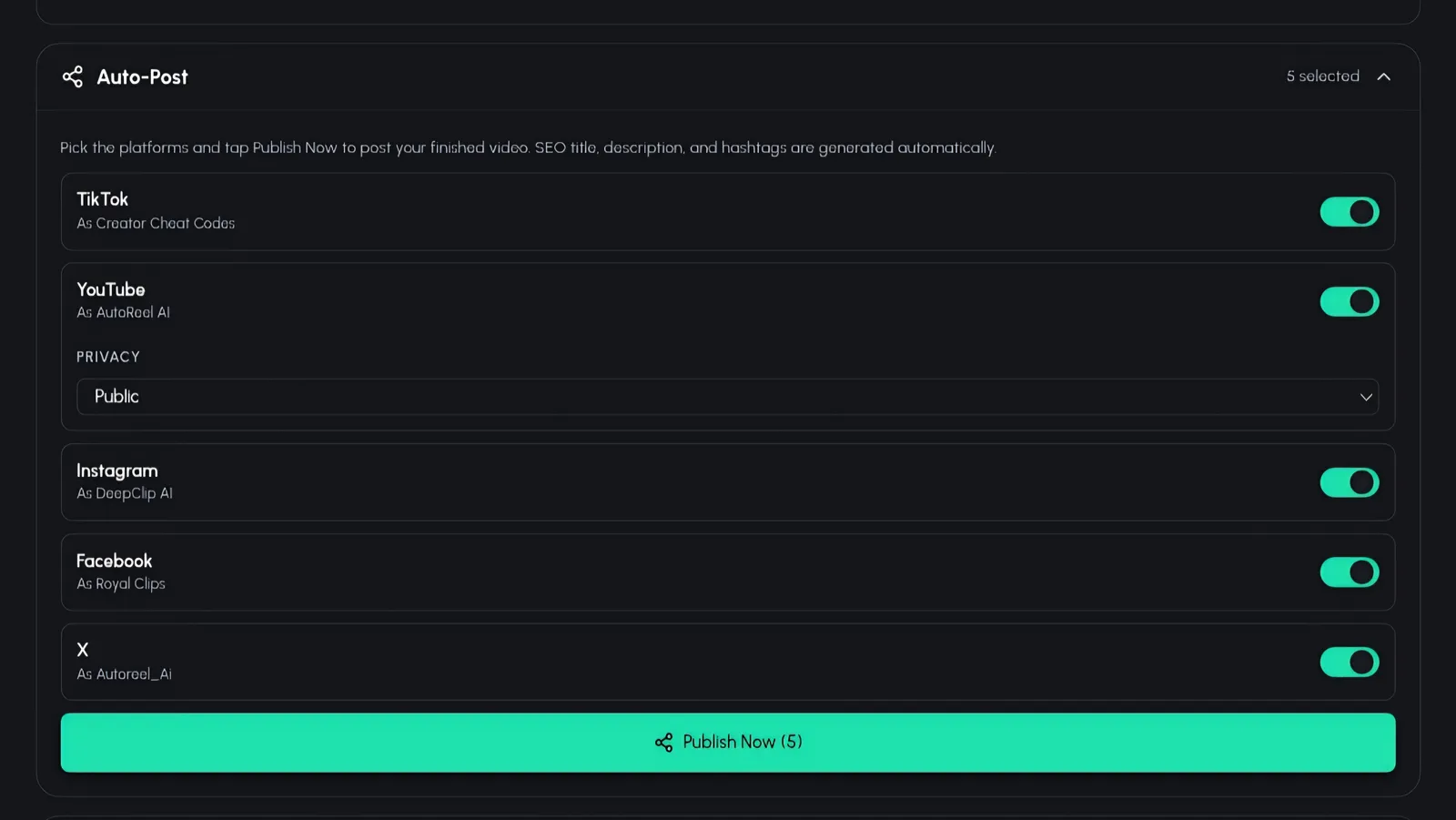
Auto-publish gives you daily consistency without daily work
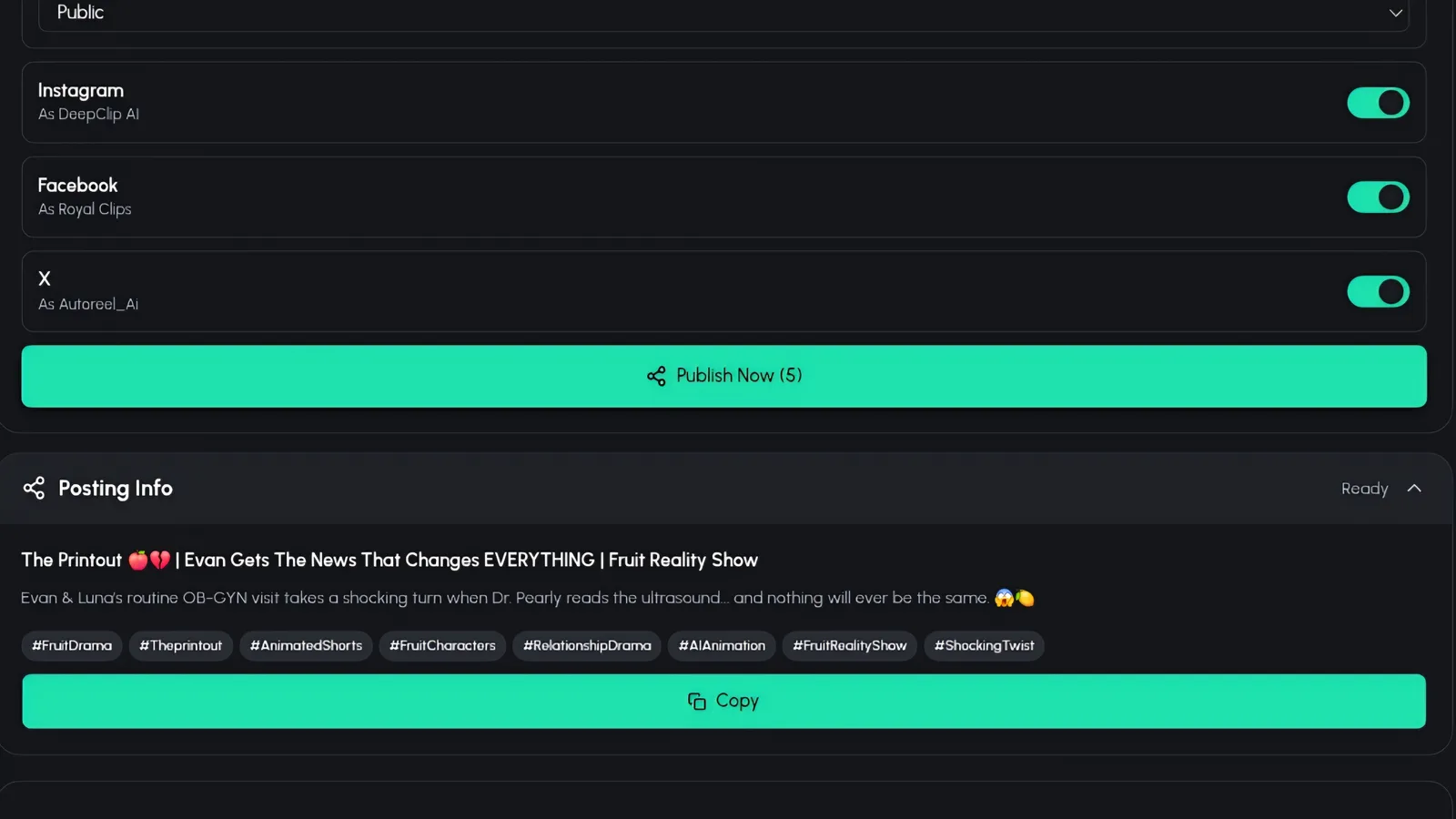
Every render comes with a ready-made SEO caption so your videos get found
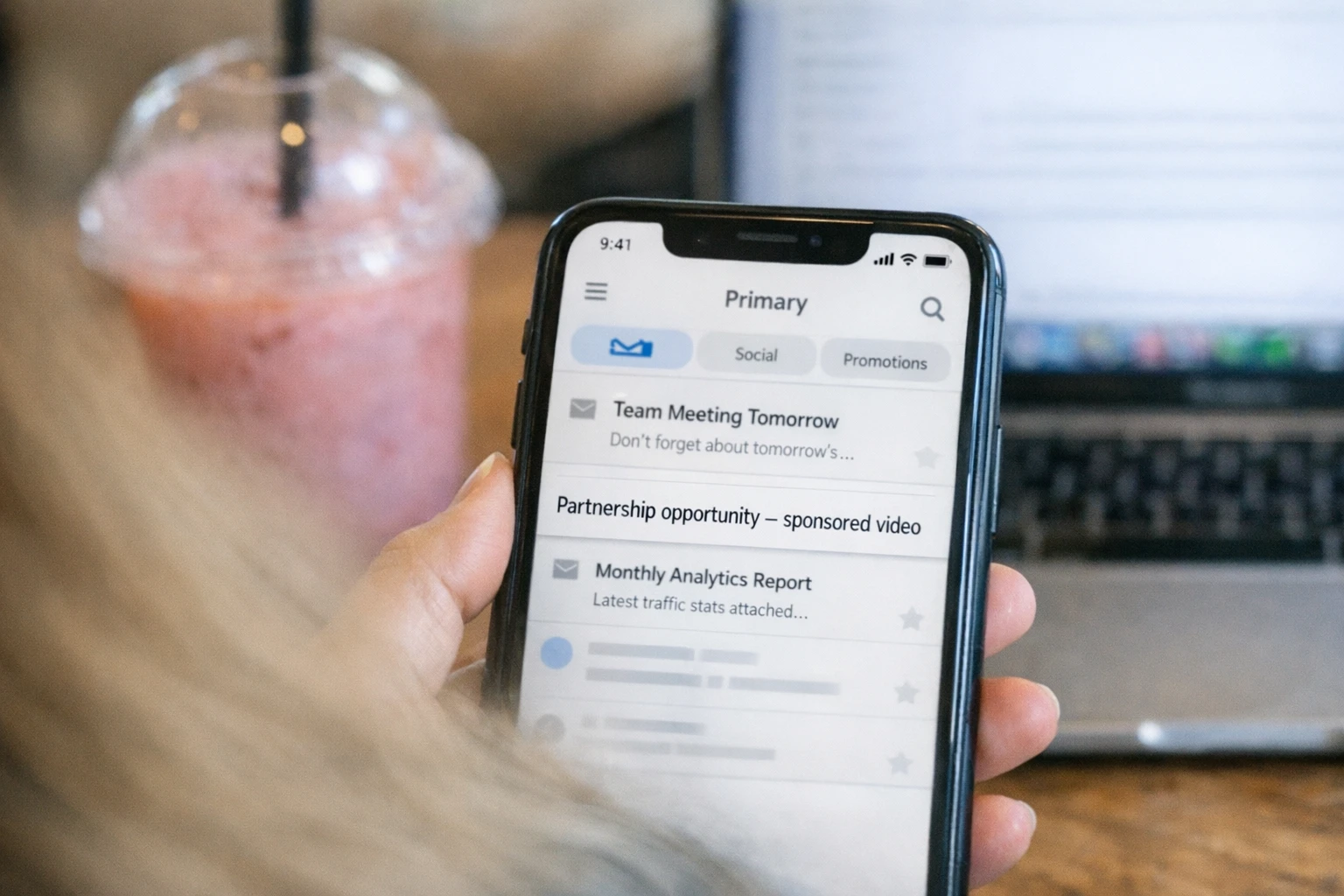
Brand deals follow returning audiences - sponsors pay for viewers who come back
How to Get to Monetization Fastest
Five moves that shorten the road to your first payout
Pick One Platform First
Every platform has its own monetization threshold, and splitting focus means hitting none of them. Choose the platform where your format fits best, hit its threshold, then expand. Your back catalog goes with you when you do.
Post Daily Using Auto-Publish
Consistency is what separates channels that monetize from channels that stall. Autoclips auto-publishes finished episodes to your connected accounts, so a daily posting schedule doesn't require daily effort - batch your episodes, connect your accounts, and let the pipeline run.
Build a Recurring Cast
Viewers subscribe to characters, not to random videos. Cast the same fruits from your saved library across episodes so your audience builds a relationship with them. A recognizable cast turns casual viewers into subscribers - and subscribers are what every monetization threshold counts.
Use Part 2 Cliffhangers
End an episode on the turn and save the gut-punch for Part 2. Viewers who need to know what happens next watch both videos back to back, doubling your watch time per premise - and watch time is the single biggest input into platform payouts.
Track Your Best Premise and Double Down
After 20-30 episodes, your analytics will show a clear winner - a character, a theme, or a story shape that outperforms the rest. Feed that winning premise back into the tool. Since Fruit AI Stories writes three story angles for every idea, you can spin one proven premise into a whole season. New to the workflow? Start with our walkthrough on how to make fruit story videos.
See Fruit Story Videos in Action
Watch what a story-driven fruit episode looks like

One episode, multiple earners: payouts, sponsors, affiliates, licensing, and services
Which Tool Makes the Monetization Math Work?
| Feature | Autoclips | AutoShorts.ai | Crayo AI |
|---|---|---|---|
| Cost per Video | Scenes from 240 credits (~$1.20) | Subscription-locked quota | Subscription-locked quota |
| Story-Driven Episodes | 6-scene arcs, 3 angles per idea | Single-clip faceless videos | Clip-style shorts |
| Recurring Characters | Saved + community cast library | No persistent cast | No persistent cast |
| Lip-Synced Dialogue | Yes - character dialogue | Voiceover only | Voiceover only |
| Aspect Ratios | 9:16, 16:9, 1:1 | Vertical-focused | Vertical-focused |
| SEO Captions Included | Ready-made per video | Basic | Basic |
| Auto-Publish | To connected accounts | Limited scheduling | Manual export |
Want a deeper look at the tool itself? See the full fruit story video maker breakdown.
Frequently Asked Questions
Everything you need to know about fruit videos monetization
How do you make money with fruit videos?
Fruit video creators earn through five main streams: platform payouts (YouTube Partner Program ad revenue and TikTok Creator Rewards), brand sponsorships from food and health companies, affiliate links to kitchen gear and healthy snacks in captions, licensing binge-worthy series to media pages, and selling finished episodes as a service to other channels. Most successful creators stack two or three of these streams on the same content.
How many views do you need to get paid?
For the YouTube Partner Program you currently need 1,000 subscribers plus either 4,000 public watch hours or 10 million Shorts views in 90 days. TikTok Creator Rewards generally requires 10,000 followers and 100,000 views in the last 30 days. Sponsorships and affiliate income have no official threshold - some creators land their first brand deal with under 20,000 followers if their audience is engaged and on-niche.
How much does it cost to produce fruit videos?
With Fruit AI Stories by Autoclips, cinematic story scenes start at 240 credits (~$1.20 per scene). A full 6-scene episode costs less than a large pizza - compare that to commissioned animation at $500-$2,000+ per minute. That low production cost is exactly why the risk-reward math works: one episode can earn from multiple income streams while costing almost nothing to make.
Do brands sponsor fruit video channels?
Yes. Food, health, and snack brands actively look for wholesome, family-safe content to sponsor, and fruit story channels fit that brief perfectly. A channel with a recurring cast and a returning audience is especially attractive because brands can sponsor a whole series arc instead of a single one-off video, which usually commands higher rates.
Can I monetize on multiple platforms at once?
Yes. Autoclips can auto-publish every finished episode to your connected accounts, so the same video earns on YouTube, TikTok, and Instagram simultaneously. You choose the aspect ratio (9:16, 16:9, or 1:1) to match each platform, and the ready-made SEO caption helps the video get found everywhere it lands.
How long until a fruit channel makes money?
It depends on consistency. Creators in faceless niches report anywhere from a few hundred to several thousand dollars a month once they hit consistency - but that usually takes several months of daily posting first. Affiliate links and small sponsorships can start earlier than platform payouts, since they have no follower threshold. Treat the first 90 days as audience-building, not income.
Turn Fruit Stories into an Income
The creators earning from fruit videos aren't luckier than you - they just started posting and never stopped. One idea in, a published multi-scene episode out. The five income streams are waiting on the other side of consistency.
Cinematic story scenes start at 240 credits (~$1.20 per scene) - auto-publish included